 World of Shrimp
Cherry shrimp temperature: when to heat and how to cool
Published · Updated · 6 min read
Quick answer
- A comfortable everyday range for cherry shrimp is about 18 to 26 °C (64 to 79 °F). They survive a wider range for a while.
- A steady temperature matters more than an exact number.
- Many shrimp tanks need no heater. A small one helps in a cold room, or in a small tank where the temperature swings.
- In a heat wave, take the lid off, point a fan at the water and keep the tank out of the sun. Avoid ice.
The right temperature
Cherry shrimp are hardy, and guides give fairly wide ranges:
| Guide | Range given |
|---|---|
| Shrimp Science (cherry shrimp care sheet) | 15 to 30 °C (59 to 86 °F) |
| Shrimp and Snail Breeder (setup guide) | 16 to 28 °C (60 to 82 °F), what they can withstand |
| Shrimp and Snail Breeder (care guide) | 22 to 28 °C (72 to 82 °F), its optimal range |
Our water parameters guide uses 18 to 26 °C (64 to 79 °F) as a comfortable everyday range. That leaves room for a warm afternoon or a cool night.
Temperature changes how fast shrimp live. Shrimp Science notes that they may breed more often above about 23 °C. Warm water also holds less oxygen, and it can shorten their life. Cooler water slows growth and breeding.
Most important is stability. Shrimp Science warns that sudden temperature changes, even inside a safe range, cause more problems than water that is slightly warm for a while. A sudden change can upset their molt, when they shed their old shell to grow.
Do you need a heater?
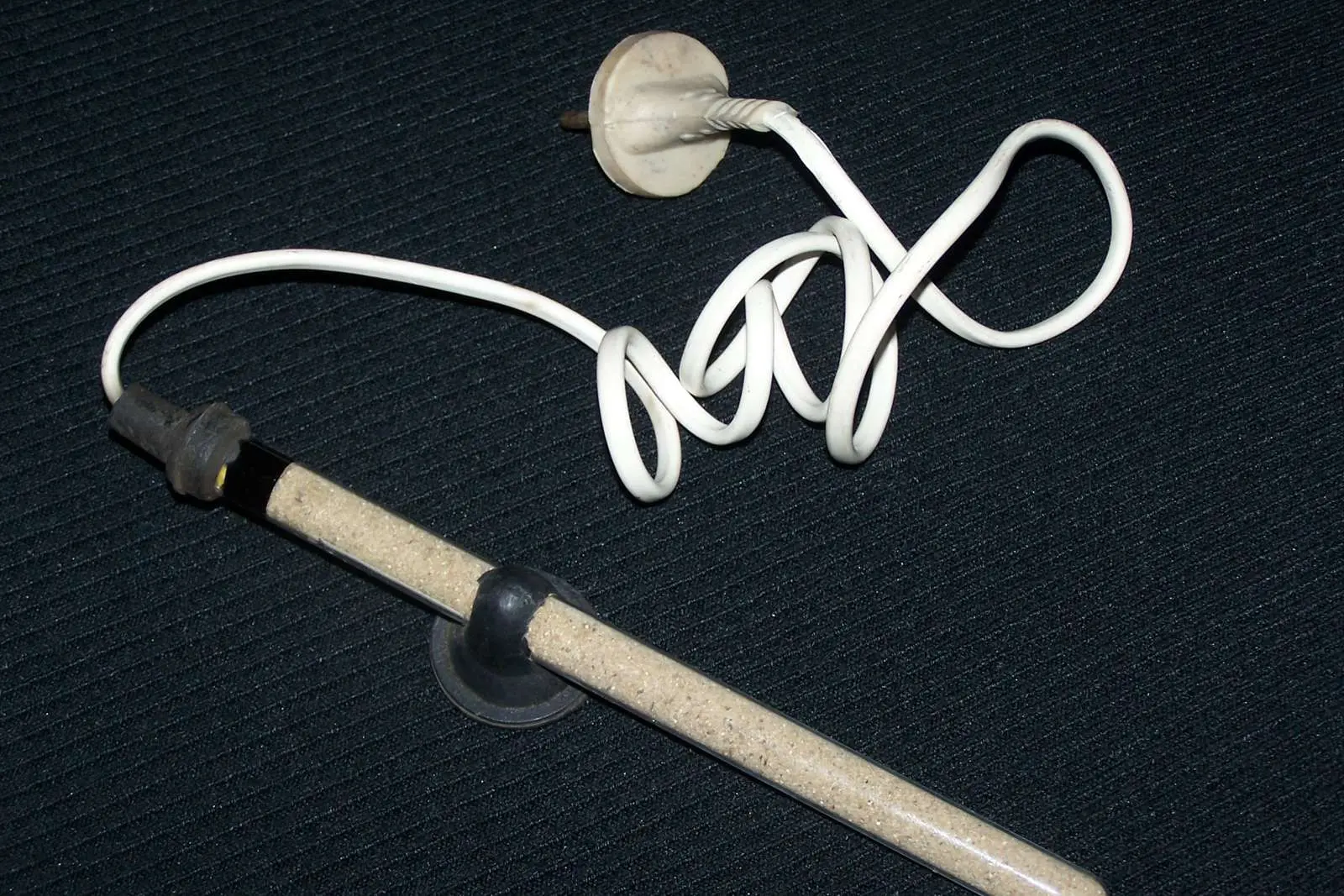
Often not. Shrimp Science says most shrimp tanks do fine without a heater. In a tank of about 30 liters (8 gallons) or more, you should not need one unless the room is very cold. A small heater makes sense for a nano tank in a room where the temperature swings a lot. There, its main job is keeping the temperature steady, not making the water warm.
The easiest way to decide is to measure. Put a thermometer in the tank for a week, including the coldest nights. If the water stays inside the comfortable range, you can skip the heater.
Choosing a heater
Shrimp Science suggests about 3 to 5 watts per US gallon. Aquarium Co-Op uses 5 watts per gallon to heat a covered tank up to about 5.5 °C (10 °F) above room temperature, and suggests 25 watts or less for tanks of 6 gallons or smaller.
| Tank size | Heater size at 3 to 5 watts per gallon |
|---|---|
| 5 gallons (19 liters) | About 15 to 25 watts |
| 10 gallons (38 liters) | About 30 to 50 watts |
| 20 gallons (76 liters) | About 60 to 100 watts |
A heater can fail. Shrimp Science warns that a thermostat can get stuck on or misread the water, and that this can cook shrimp. So:
- Buy a reputable brand, not the cheapest one. Aquarium Co-Op also advises against used heaters.
- Choose the smaller size if you are between two. A slightly undersized heater does less harm if it sticks on.
- Use a separate thermometer. Aquarium Co-Op suggests placing it in the corner opposite the heater, to check that the heat reaches the whole tank.
- Place the heater in the flow, for example near the filter, and keep it fully under water whenever it is on.
- Let it settle. Put a new heater in the water 20 to 30 minutes before you plug it in. Unplug it at least 30 minutes before you take it out.
Signs the water is too warm
Shrimp Science lists two warning signs of heat stress: shrimp gasping near the surface and shrimp trying to climb out of the tank. Both can also mean low oxygen. Warm water holds less oxygen, so check the thermometer first.
Cooling the tank in summer
| Method | How well it works | Notes |
|---|---|---|
| Lid off, fan across the water | About 1 to 3 °C (2 to 6 °F) in 24 hours, according to Shrimp and Snail Breeder | Water evaporates faster. Top up with RO or conditioned water. |
| Out of the sun | Prevents heating in the first place | Close blinds, move the tank away from windows and heat sources. |
| Lights off or LED | Small effect | Older lights give off more heat than LEDs. |
| Cooling the room | Steady and gentle | Air conditioning cools the tank with the room. |
| Small, cooler water changes | A quick but limited drop | Use only slightly cooler water and add it slowly. |
| Aquarium chiller | The most reliable option | Expensive. Aquarium Co-Op puts it at several hundred dollars or more. |
Avoid ice cubes and floating frozen bottles. Shrimp Science warns that floating ice can be as dangerous as pouring in cold water, and Aquarium Co-Op says ice makes the temperature unstable. Whatever you do, cool the tank slowly. Shrimp and Snail Breeder suggests a drop of no more than about 3 °C (6 °F) over 6 to 8 hours.
An air stone does not lower the temperature, but it adds oxygen, which shrimp need more of in warm water. When you top up evaporated water, use RO or distilled water so the minerals do not build up. See tap water and RO water.
FAQ
What temperature do cherry shrimp need?
A comfortable everyday range is about 18 to 26 °C (64 to 79 °F). Cherry shrimp survive a wider range, roughly 15 to 30 °C according to Shrimp Science, but a steady temperature matters more than an exact number.
Do cherry shrimp need a heater?
Often not. If the room stays inside their comfortable range all year, a heater is optional. A small heater makes sense for a nano tank in a room that gets cold at night or swings a lot.
What size heater do I need for a shrimp tank?
Guides suggest about 3 to 5 watts per US gallon. That is roughly 15 to 25 watts for a 5-gallon (19-liter) tank and 30 to 50 watts for a 10-gallon (38-liter) tank. If you are between two sizes, the smaller one does less harm if it ever sticks on.
How can I cool my shrimp tank in summer?
Take off the lid, point a fan at the water surface and keep the tank out of direct sun. Top up the evaporated water with RO or conditioned water. Avoid ice, which can drop the temperature too fast.
Sources
- Shrimp Science: Do Shrimp Tanks Need a Heater?
- Shrimp Science: Red Cherry Shrimp Care Guide
- Shrimp Science: How to Cool Down an Aquarium
- Shrimp and Snail Breeder: Red Cherry Shrimp: Detailed Guide
- Shrimp and Snail Breeder: Basic Shrimp Tank Setup for Neocaridina
- Shrimp and Snail Breeder: How to Cool Down Tanks
- Aquarium Co-Op: How to Choose the Right Aquarium Heater
- Aquarium Co-Op: 5 Ways to Cool Aquarium Water
Keep reading
-
 Cherry shrimp water parameters: the numbers that matter
Typical ranges for temperature, pH, GH, KH and TDS, and what to do when a number is off.
-
 Tap water or RO water for shrimp?
How to make tap water safe, chlorine versus chloramine, and when RO water is worth it.
-
 Why are my shrimp dying? 8 common causes and what to check
The usual reasons shrimp die, and what to test first.